The Cold War in the Caribbean
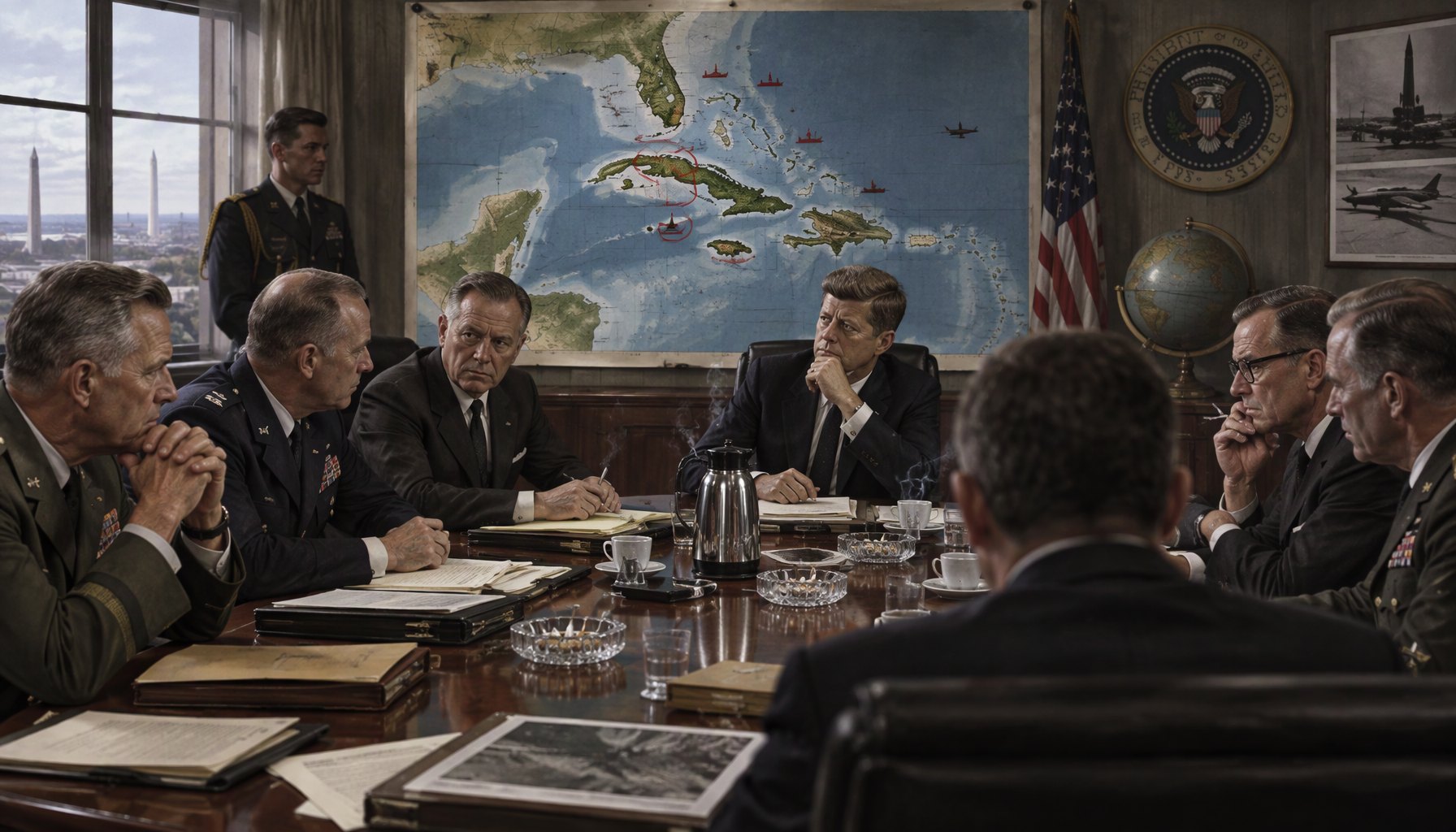
After the Cuban Revolution in 1959, Fidel Castro came to power and built close ties with the Soviet Union. The United States saw Cuba as a strategic threat near its borders. In 1961, the CIA-backed Bay of Pigs invasion failed to overthrow Castro, and the failure embarrassed President John F. Kennedy's administration.
After the Bay of Pigs, the Kennedy administration launched Operation Mongoose, a series of covert efforts to weaken or overthrow Castro's government. The operation included propaganda, sabotage, and support for anti-Castro groups. It was in this context that more extreme proposals emerged from the U.S. military.
Unimplemented Plans
On March 13, 1962, General Lyman Lemnitzer, Chairman of the Joint Chiefs of Staff, sent a memorandum to Secretary of Defense Robert McNamara. The memorandum contained a proposal for an operation codenamed Northwoods. Its goal was to create a convincing pretext for U.S. military intervention in Cuba.
The plan was never approved and never carried out. Kennedy rejected it, and Lemnitzer was later moved to another position. However, the planning document remained in government archives and served as evidence of how far some military officials were willing to consider extreme actions during the Cold War.
Contents of Operation Northwoods
The Northwoods document proposed various actions that could be blamed on Cuba, including fake attacks on U.S. military bases in Guantanamo, the sinking of ships carrying Cuban refugees, and explosions in U.S. cities. The plan also discussed hijacking aircraft and attacking American installations abroad.
Several scenarios were designed to cause casualties, including American civilians, to garner public support for an invasion. The document referred to the need for "credible incidents" and a media campaign to build a narrative that Cuba was responsible. The plan was highly detailed but remained a proposal, not an official decision.
Motives and Context
The main motive behind the plan was the desire to overthrow Castro after the failure of the Bay of Pigs. The U.S. military was concerned that the Kennedy administration was too hesitant and wanted to create conditions that would force action. In the logic of the Cold War, Cuba was seen as a threat that needed to be addressed by any means.
However, the plan also reflected tensions between civilian and military authorities. Kennedy, who was traumatized by the Bay of Pigs, did not want to engage in a large invasion that could provoke a confrontation with the Soviet Union. He rejected Northwoods and emphasized the importance of civilian control over war decisions.
Kennedy's Rejection
Kennedy rejected the Northwoods plan and ordered a shift in focus to more limited covert operations. He also replaced several military officials and strengthened control over the CIA. Relations between Kennedy and the military remained tense, especially after the Cuban Missile Crisis in October 1962.
The rejection showed that not all military proposals were accepted by the president. However, the Northwoods document also demonstrated that in high-tension situations, government officials could consider actions that violated legal and moral norms. This became an important lesson about democratic oversight of intelligence and military agencies.
Exposed After 35 Years
The Northwoods document was unknown to the public for decades. In 1997, the Assassination Records Review Board, which investigated Kennedy's assassination, released a number of documents, including the Northwoods memorandum. The publication shocked many people and sparked debates about government ethics and transparency.
The document was later cited in books, documentary films, and discussions about conspiracy theories. However, it is important to distinguish between proposed plans and operations that were actually carried out. Northwoods was a rejected proposal, not evidence that the U.S. government carried out false flag attacks on its own citizens.
Debate About Authenticity and Significance
Some observers questioned whether the document was genuinely serious or just a planning exercise. However, the signatures, bureaucratic trail, and context of the document indicate that the proposal was discussed at high levels. Historians generally accept that Northwoods was a real, albeit unimplemented, plan.
This case became an example of how secret archives can change public understanding of history. Declassified documents allow society to evaluate government decisions and demand accountability. However, documents can also be misused to build conspiracy narratives not fully supported by evidence.
Lessons
Operation Northwoods reminds us of the importance of civilian oversight of the military and intelligence agencies. The plan did not become reality because officials rejected it, but its existence shows that the line between national security and legal violations can become blurred in tense situations.
For Cold War history, Northwoods is an extreme example of confrontation logic. Its story also reminds us that transparency and declassification of documents are important for maintaining public trust. Without open archives, society cannot fairly assess past government actions.

Discussion
Comments
Comments are reviewed by an editor before they appear. Include sources when correcting facts.
No comments yet. Be the first to respond to this article.