The Lost Submarine
In March 1968, the Soviet ballistic missile submarine K-129 disappeared in the Pacific Ocean. The submarine carried approximately 98 crew members and was part of the Soviet Pacific Fleet. The Soviet search operation did not find the wreckage, and the cause of the sinking is still not known for certain.
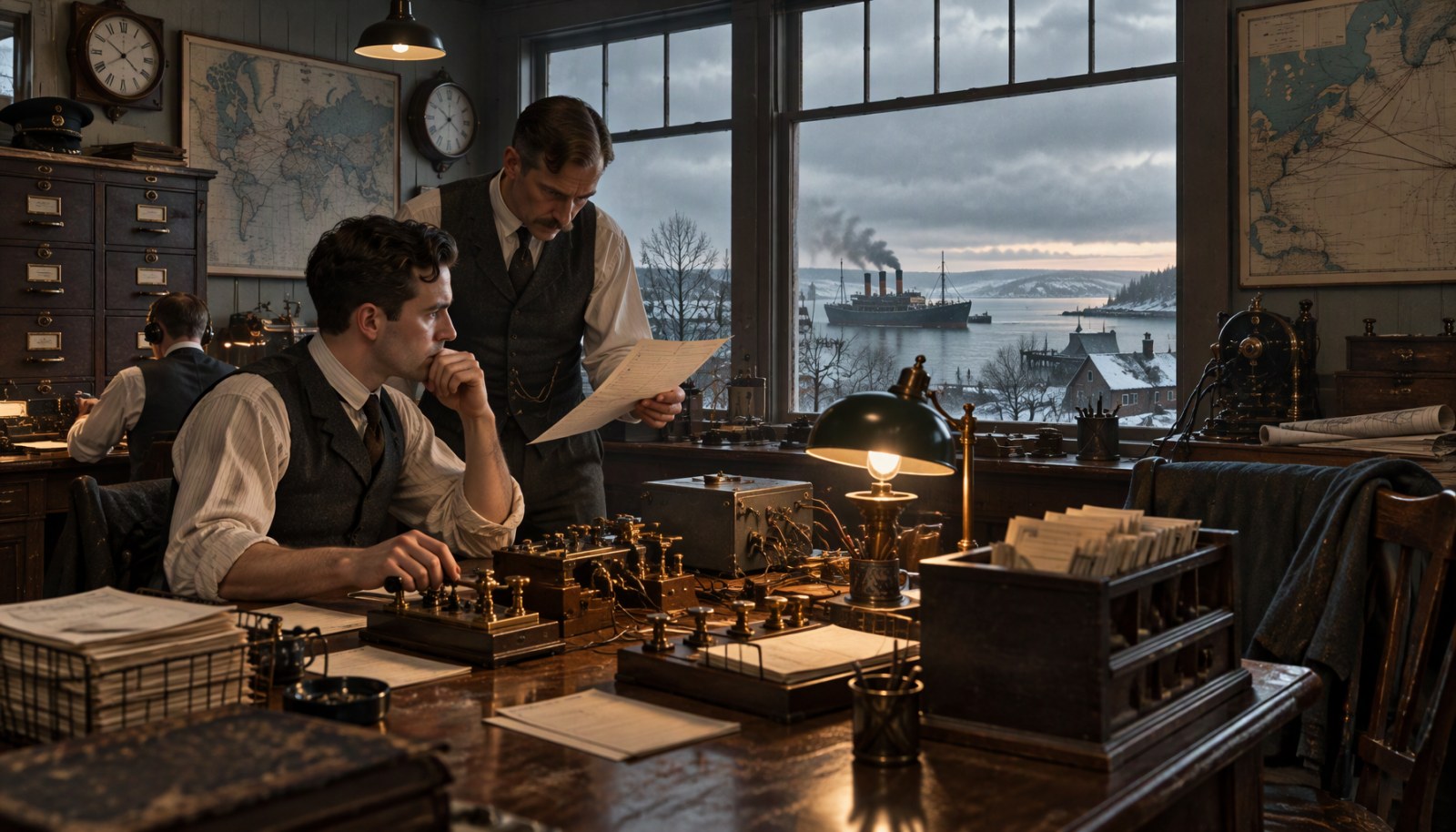
The United States detected an underwater explosion through the SOSUS acoustic sensor network. With data analysis and secret searches, the United States was able to determine the location of the wreckage at a depth of around 5,000 meters, about 2,500 kilometers northwest of Hawaii. The location was in a very deep and hard-to-reach area.
The Secrets of K-129
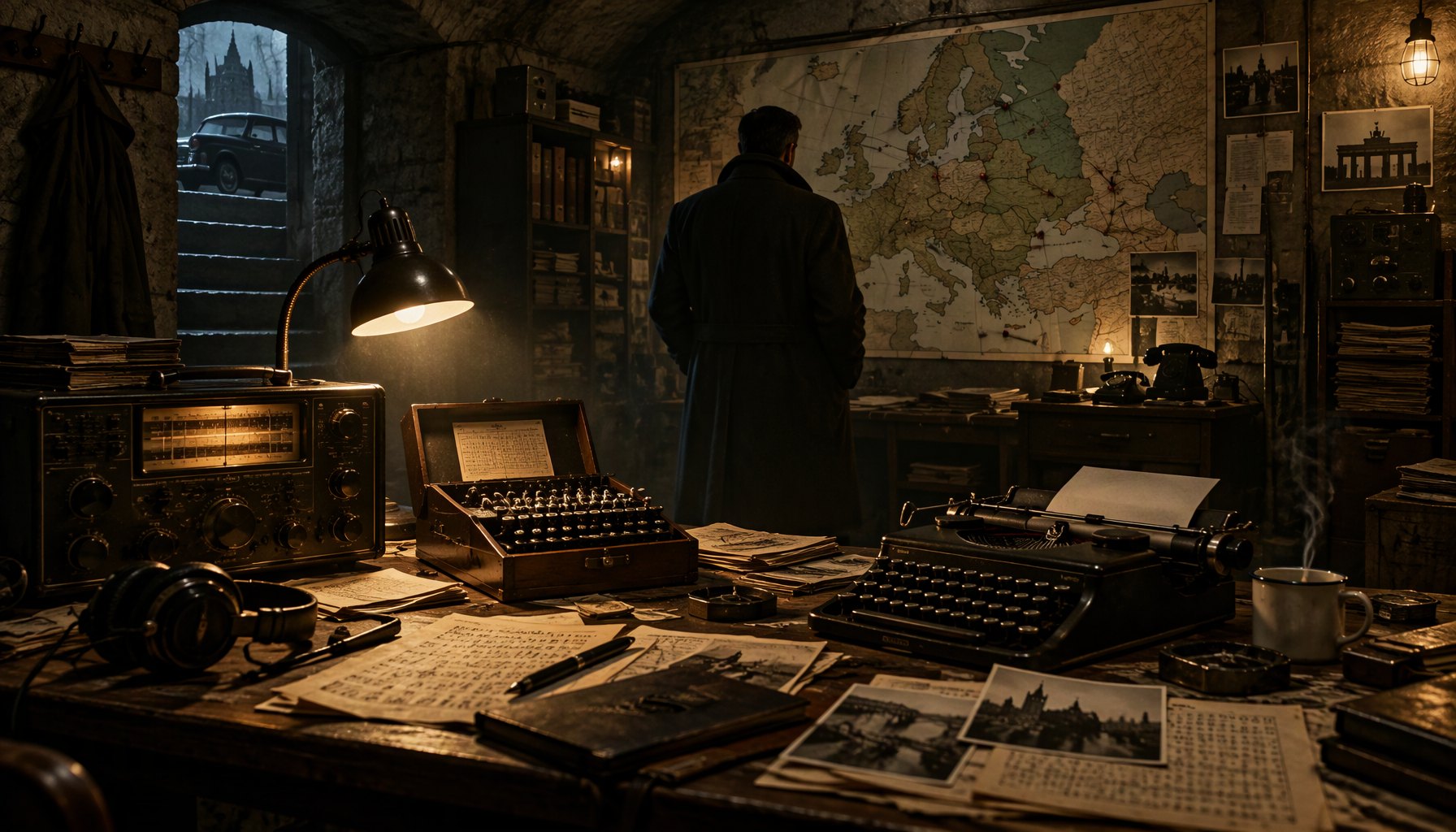
K-129 was a Golf-class submarine carrying ballistic missiles. Inside, there might be communication codes, codebooks, and missile technology that were very valuable to the United States. The intelligence value was what made the U.S. government interested in raising the wreckage, despite the great risks.
The cause of the sinking of K-129 is believed to be related to an internal explosion, possibly due to an accident during missile launch or hydrogen leakage. However, there is no definitive evidence. The Soviet Union never announced the location of the wreckage, and the families of the crew did not receive a complete explanation about their fate.
The Seemingly Impossible Idea
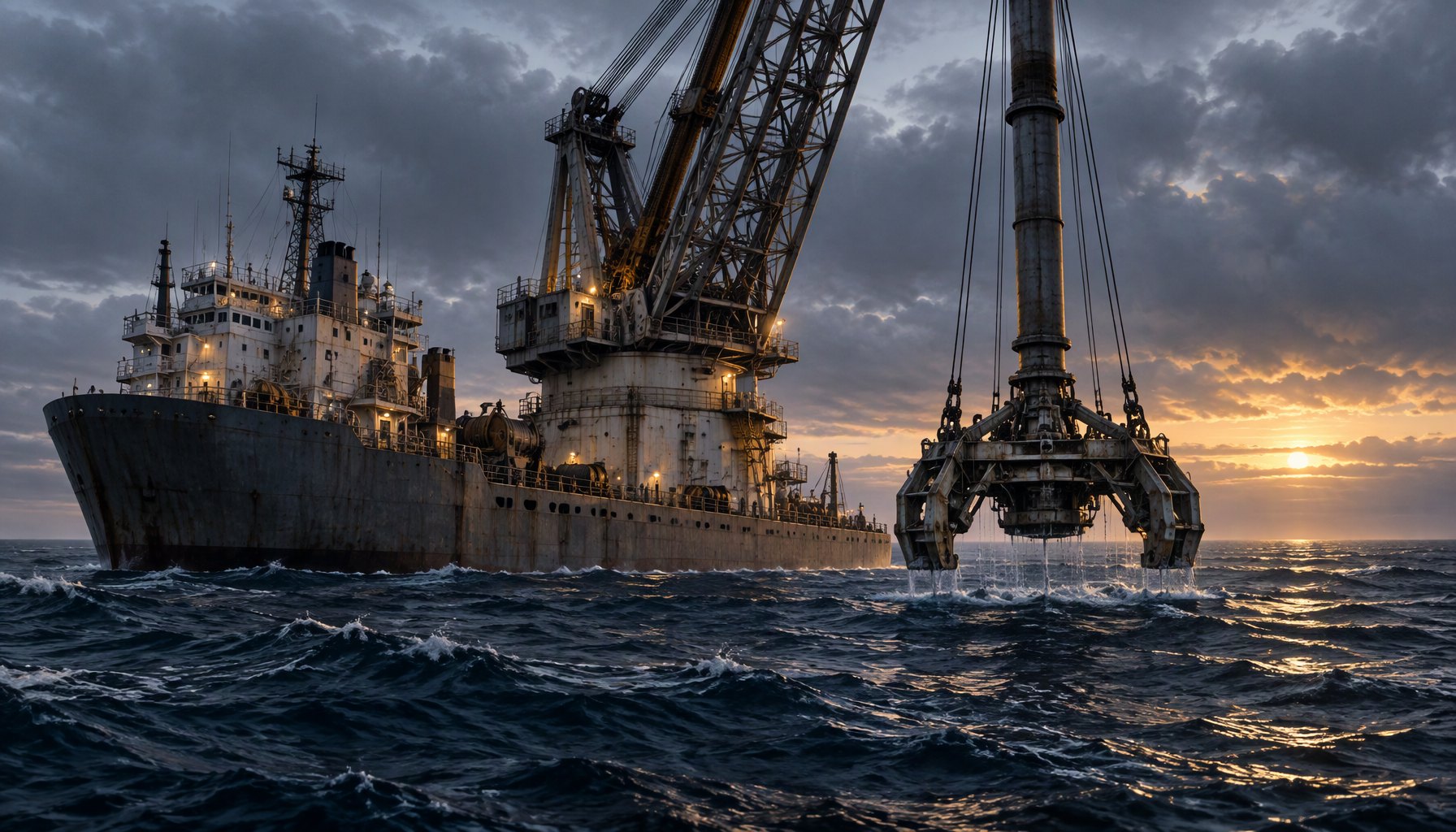
In 1970, the CIA began Project Azorian, a plan to raise a large portion of the K-129 wreckage from the seabed. Due to its extraordinary depth, there was no ready-made technology. The CIA worked with Global Marine Inc. and the defense industry to design a special lifting system.
The plan involved a large ship with a "moon pool" in the middle, a giant clamping device nicknamed Clementine, and a series of pipes lowered to the seabed. The project cost was estimated to reach hundreds of millions of dollars, making it one of the most expensive intelligence operations of its time.
The Ship and Cover Story
To hide its true purpose, the CIA built the ship under the name of the Hughes Tool Company. The ship was named the Hughes Glomar Explorer and was promoted as a deep-sea manganese mining vessel. The cover story was plausible because the world was interested in the potential of seabed minerals.
The ship was built with advanced technology, including position-keeping systems and heavy-duty cranes. Not all of the crew knew the true mission. The media and Soviet observers saw the ship, but they could not confirm its purpose. The secrecy of the operation depended on the consistency of the cover story and information control.
The 1974 Operation
The lifting operation took place in July and August 1974. The clamping device Clementine successfully grabbed part of the wreckage, but some parts broke when lifted. According to subsequently declassified reports, only part of the hull was successfully brought to the surface, not the entire submarine.
The contents that were successfully raised are still a matter of debate. Some reports mention the discovery of several crew members' remains, which were later buried at sea with military honors. Some equipment and torpedoes may have been retrieved, but whether the codebooks or intact missiles were also raised has never been publicly confirmed.
Secrecy and Leaks
In 1975, the Los Angeles Times newspaper leaked the existence of the project. The U.S. government responded with a policy later known as the "Glomar response": refusing to confirm or deny the existence of the operation. The response became a legal term still in use today.
Over time, some Project Azorian documents were declassified. In 2010, the CIA released some documents and videos showing the lifting process. However, many technical details and intelligence results remain secret. Historians have to reconstruct the events from document fragments, interviews, and media reports.
Debate About Results
The main question is whether the operation was successful. From a technical point of view, lifting part of the wreckage from a depth of 5,000 meters was an extraordinary achievement. From an intelligence point of view, its value depended on what was actually successfully retrieved, and this was never openly explained.
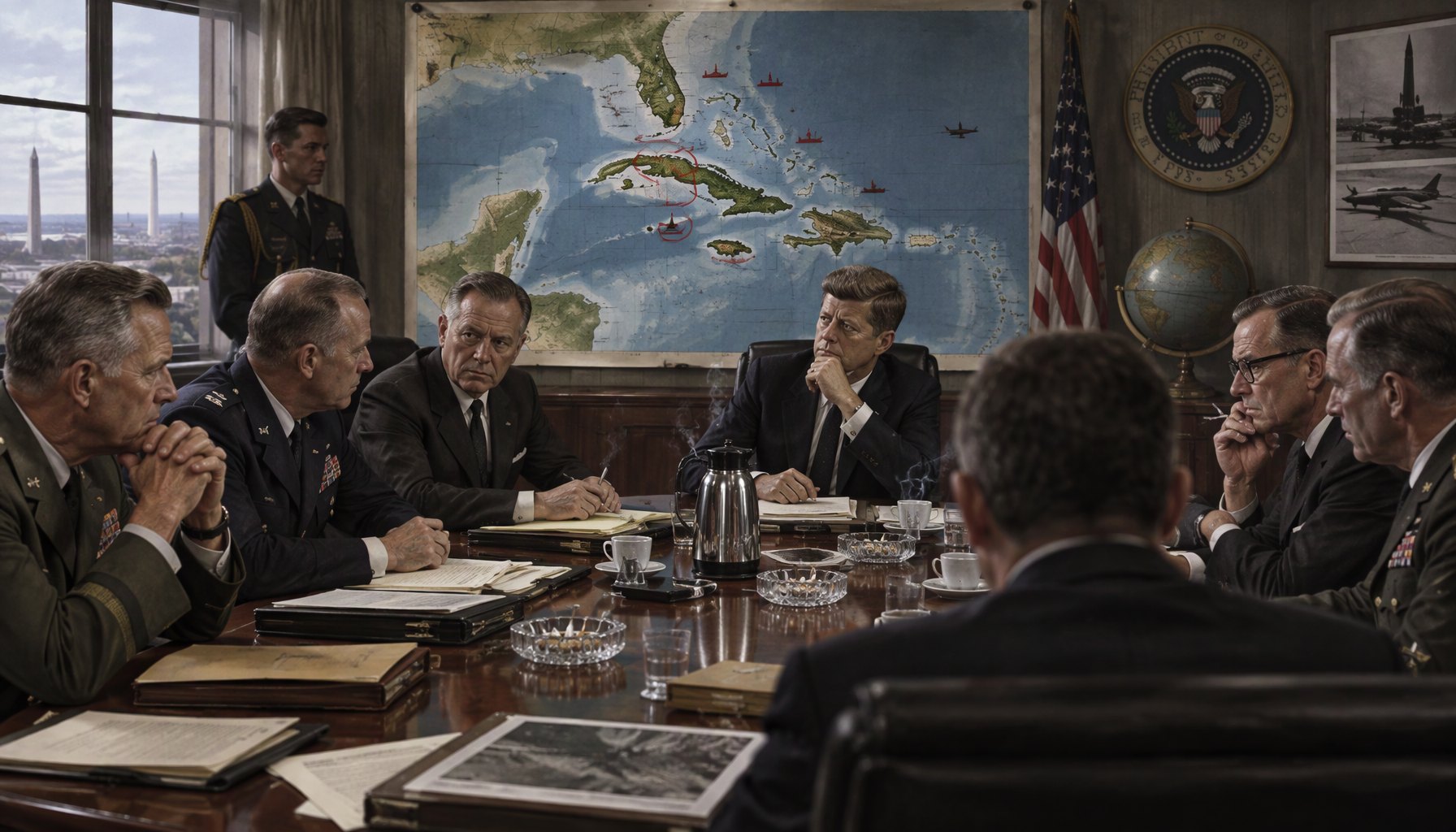
The Soviet Union knew that the United States was doing something at the location, but did not openly demand it. The relationship between the two countries was in a period of détente, and open confrontation over the incident might be considered unprofitable. Until the end of the Cold War, K-129 remained an unspoken wound in Russia.
Legacy
Project Azorian drove the development of deep-sea lifting technology and underwater rescue operations. The Glomar Explorer ship was later used for deep-sea drilling and was finally scrapped in 2015. Its story is an example of how technology, intelligence, and diplomacy are interrelated.
The operation also raised ethical questions about the treatment of the remains of foreign ship crews and the rights of countries over their wreckage. For Cold War history, Azorian shows that the competition did not only take place in space, but also in the dark and deep ocean floor.
Discussion
Comments
Comments are reviewed by an editor before they appear. Include sources when correcting facts.
No comments yet. Be the first to respond to this article.