Cold War Concerns
In the early 1950s, the United States was concerned that the Soviet Union and China had mastered brainwashing techniques. Reports of American prisoners of war signing false confessions during the Korean War reinforced these fears. The CIA then funded research on how to influence the human mind, including the use of drugs, hypnosis, and sensory isolation.
The program was code-named MKUltra and operated under the CIA's Directorate of Plans. Its main leader was Sidney Gottlieb, a chemist also involved in the development of poisons and interrogation equipment. Most of its activities were carried out through universities, research institutions, and foundations that were unaware of their funding source.
Structure and Secret Funding
MKUltra was not a single project, but a network of more than a hundred subprojects spread across various institutions. The CIA channeled funds through foundations such as the Society for the Investigation of Human Ecology to hide its involvement. The total budget of the program was never fully disclosed.
Research covered the effects of LSD, mescaline, hypnosis, isolation, and interrogation techniques. Some research was conducted by researchers who were unaware they were working for the CIA. Test subjects often did not give consent, especially when LSD was used in secret situations.
LSD and Unconsenting Subjects
LSD became the main focus as it was believed to be able to destroy a person's mental defenses. Gottlieb and his team tested LSD on prisoners, patients, and ordinary civilians. One of the most controversial methods was the secret administration of the drug in drinks or food.
Some subjects were people seeking medical help for mental health problems, but they were never told they were receiving experimental drugs. In some cases, the effects of LSD triggered prolonged psychotic episodes. Records of how many people were involved are incomplete because many documents were later destroyed.
Operation Midnight Climax
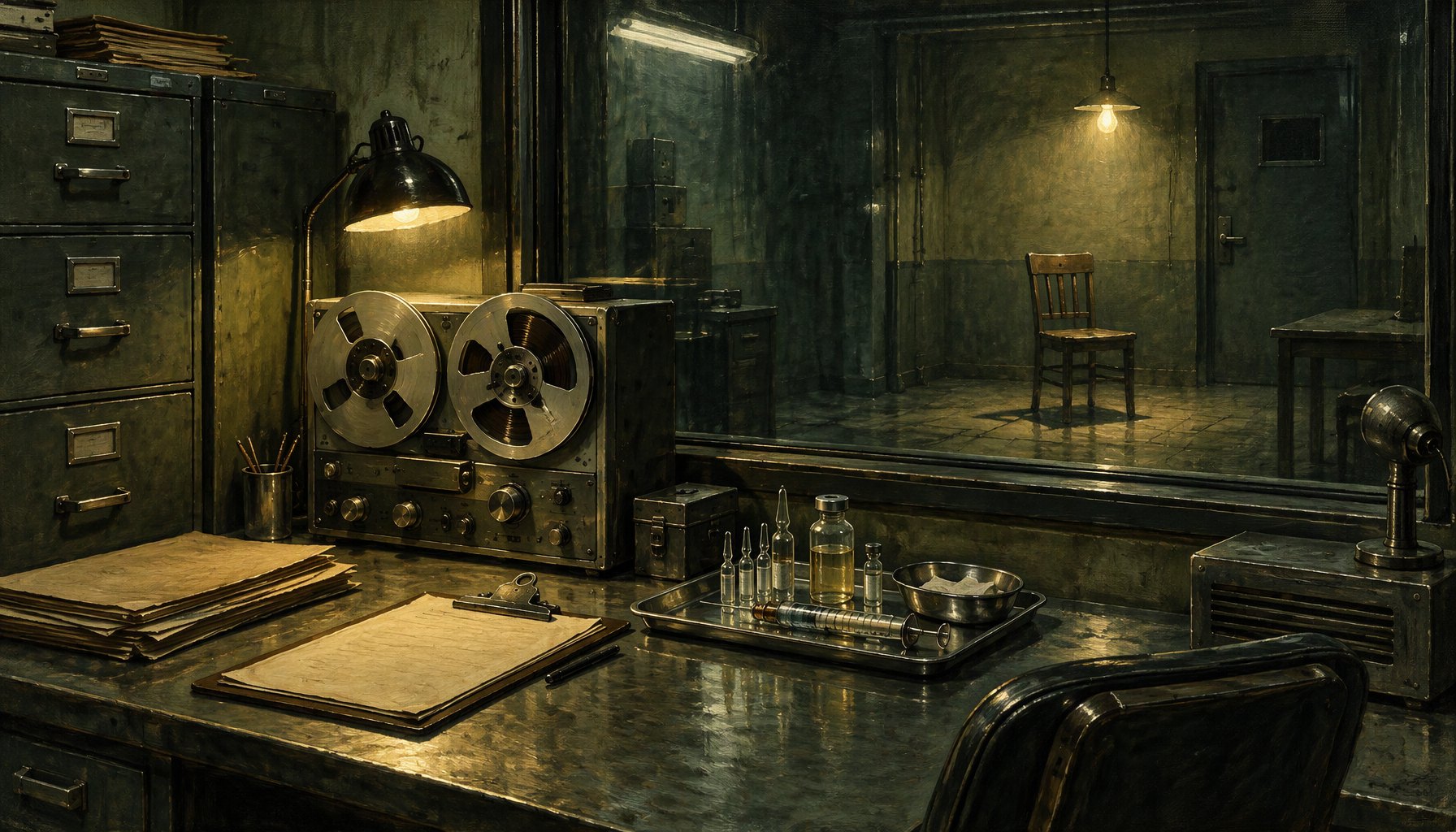
In San Francisco, the CIA funded an operation known as Operation Midnight Climax. Agents rented apartments used as LSD testing sites, with one-way mirrors and hidden recordings. The subjects were people recruited from bars and brothels, unaware they were being tested.
The operation was intended to study sexual behavior and the effects of drugs, but it posed a very high ethical risk. After the program was stopped, the location was closed, and most of the recordings were destroyed. It was not until the 1970s that some details were revealed.
The Death of Frank Olson
In November 1953, Frank Olson, an Army scientist working at Fort Detrick's laboratory, died after falling from a hotel room window in New York. Years later it was revealed that Olson had received LSD unknowingly at a CIA meeting a few days earlier. His family received compensation from the government, but the official investigation into his death remained controversial.
The Olson case became a symbol of the dangers of a program lacking adequate oversight. Some CIA officials acknowledged that the program violated ethical and legal boundaries, although no significant criminal charges were brought against its perpetrators.
Destruction of Archives and Disclosure
In 1973, as the Watergate scandal increased oversight of intelligence agencies, CIA Director Richard Helms ordered the destruction of many MKUltra documents. Financial records and subproject notes were destroyed. However, around 20,000 documents escaped destruction because they were stored in another archive facility.
These documents were discovered in 1977 through a freedom of information request. In the same year, the Senate Intelligence Committee published a report on MKUltra that revealed the program's structure, objectives, and impact. This disclosure sparked public outrage and led to reforms in intelligence oversight in the United States.
Legacy and Lessons
MKUltra never achieved its grand goal: creating a reliable mind control system. Nevertheless, the program produced research that was later used in broader fields, and became a classic example of how a nation can violate individual rights in the name of national security.
Today, the remaining MKUltra documents can be read by the public through the CIA archives and congressional reports. Its story serves as a reminder of the importance of transparency and oversight in human research, especially when conducted in the name of state secrets.


Discussion
Comments
Comments are reviewed by an editor before they appear. Include sources when correcting facts.
No comments yet. Be the first to respond to this article.