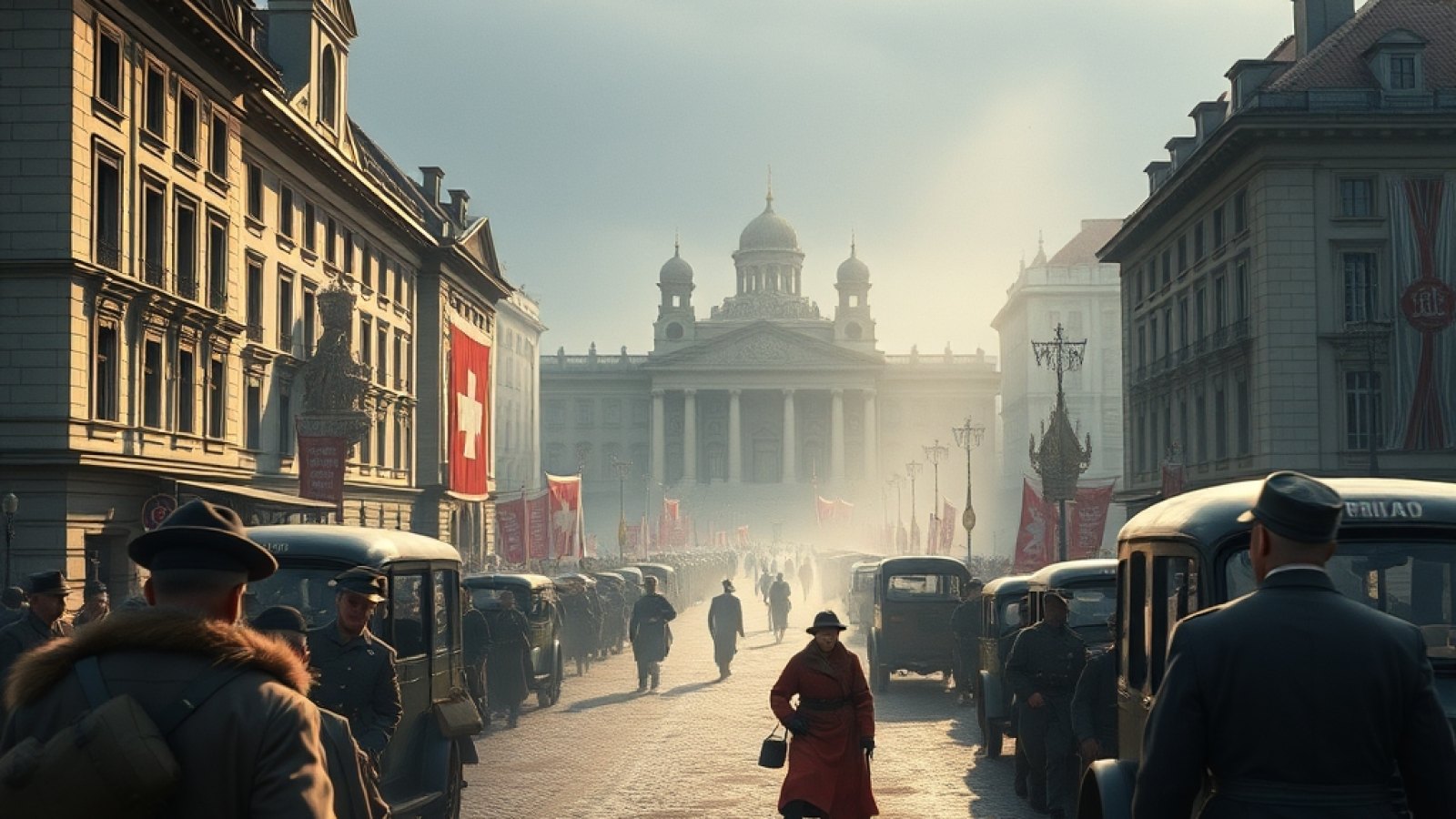
After the end of World War II, the British government invited the 1945 Soviet Top League winning team, Dynamo Moscow, to conduct an exhibition tour in the United Kingdom. The invitation came three months after Japan's surrender, marking the first time a Soviet team played in England. Dynamo, who had just lost in the Soviet Cup final against CDKA Moscow, received orders from the Kremlin and prepared for the tour within weeks.
Background
The tour was planned at the end of October 1945, with the first reports appearing in the Daily Mirror and Daily Express on October 26. Although Anglo-Soviet relations were beginning to strain, the British Foreign Office attempted to postpone the tour, but pressure from the British Embassy in Moscow ensured it went ahead as a guest of the Football Association (FA).
Dynamo's preparations were hampered by difficulties in releasing players from factory work and bad weather, so the official departure was announced on October 31 but delayed. Finally, on November 4, the squad arrived at Croydon Airport with two C-47 Dakota aircraft after an 11-hour flight, greeted by FA secretary Stanley Rous and representatives of the Soviet Embassy.
The Dynamo squad consisted of main players and three guests: Vsevolod Bobrov (CDKA Moscow) and Yevgeniy Archangelski and Boris Oreshkin (Dynamo Leningrad). Initial accommodation at Wellington Barracks caused complaints due to minimal facilities, but the team continued match preparations.
Tour Progress
The first match was scheduled against Chelsea at Stamford Bridge on November 6. After a postponement, the game took place on November 8 and ended in a 3–3 draw, described as the "match of the 21st century" and breaking the record for club attendance in England at the time.
Four days later, Dynamo traveled to Cardiff, which had recently received a royal visit. At Ninian Park, Dynamo defeated Cardiff City 10–1, recording one of the worst defeats ever suffered by a British team against a foreign opponent.
The third match in London against Arsenal at White Hart Lane was accompanied by thick fog known as "pea-soup fog". Arsenal added guest players such as Stanley Matthews and Stan Mortensen, so Dynamo considered their opponents almost representative of England. Dynamo won 4–3 in a match described by the Daily Mail as "one of the most exciting matches ever seen by 54,000 people".
Controversy and Conclusion
The fourth match against Rangers in Glasgow was almost canceled due to a dispute over the transfer of Jimmy Caskie from Everton; Dynamo threatened to return to London if Caskie played. After a resolution, the match ended in a 2–2 draw, including a controversial penalty for Rangers in the final minute.
Plans for a fifth match against the England Select Team at Villa Park did not materialize as the team was recalled to Moscow. Upon their return to the Soviet Union, the Dynamo players were welcomed as national heroes, marking the success of an unbeaten tour.
The 1945 Dynamo Moscow tour marked the first time a Soviet team set foot on English soil, breaking attendance records, and showcasing the quality of post-war Soviet football. Although bilateral politics were tense, the matches demonstrated the role of sports as a diplomatic bridge during the post-war transition.
This article was automatically compiled by the HISTORYX Editorial Board from Wikipedia data licensed CC BY-SA 4.0 on November 13, 2026. Corrections can be sent via the Contact page.
Discussion
Comments
Comments are reviewed by an editor before they appear. Include sources when correcting facts.
No comments yet. Be the first to respond to this article.