Approaching Independence
Indonesia was under Japanese occupation since 1942. At the beginning of the occupation, Japan promised independence for Indonesia as part of the Greater East Asia War propaganda. However, this promise was not immediately fulfilled, and the people experienced violence, forced labor, and food shortages during the occupation.
In 1945, Japan's position in World War II became increasingly desperate. The United States retook the Philippines and approached Japan. Japan formed the Investigating Body for Preparatory Work for Indonesian Independence (BPUPKI) in March 1945 and the Preparatory Committee for Indonesian Independence (PPKI) in August 1945. These bodies prepared the foundations of the state and government, but independence was not yet proclaimed.
Japan Surrenders
On August 15, 1945, Japan announced its unconditional surrender to the Allies after the atomic bombs in Hiroshima and Nagasaki and the Soviet Union's entry into the war. The news created a power vacuum in Indonesia. Japan still held weapons, but its authority weakened and no longer had a clear mandate.
Youth groups and independence activists saw this opportunity as a moment not to be missed. They urged Soekarno and Hatta to proclaim independence immediately without waiting for Japan or the Allies. However, Soekarno and Hatta were more cautious, fearing violence and political uncertainty.
Difference of Opinion
The difference between the older and younger generations became one of the important dynamics leading up to the proclamation. The older generation, including Soekarno and Hatta, wanted to ensure that the proclamation was carried out in an organized manner and did not trigger unnecessary armed conflict. The younger generation considered this stance too slow and risky to lose momentum.
Youth groups such as Wikana, Darwis, and Chaerul Saleh urged the proclamation to be carried out as soon as possible. Tensions peaked on August 15 and 16, 1945. The situation showed that independence was not only the result of the struggle against the colonizers but also the result of debates within the national movement itself.
The Rengasdengklok Incident
In the early hours of August 16, 1945, a group of youth took Soekarno and Hatta to Rengasdengklok, Karawang. The aim was to distance them from Japanese influence and urge the immediate proclamation of independence. This event is known as the Rengasdengklok Incident.
After negotiations, Soekarno and Hatta agreed to proclaim independence on August 17, 1945, provided it was done in Jakarta and well prepared. They then returned to Jakarta. Ahmad Soebardjo played an important role in mediating between the younger and older generations.
The Night at Pegangsaan
On the night of August 16, Soekarno, Hatta, and Ahmad Soebardjo gathered at the house of Admiral Maeda on Imam Bonjol Street, Jakarta. The house was chosen as it was considered safe from Japanese surveillance. There, they formulated the text of the proclamation. Soekarno wrote down the main ideas, while Hatta and Soebardjo provided input.
The text produced was then typed by Sayuti Melik. There were several minor changes during the typing process, including changes in words and punctuation. The manuscript was then approved and prepared to be read the next morning. That night was filled with tension but also hope.
August 17, 1945
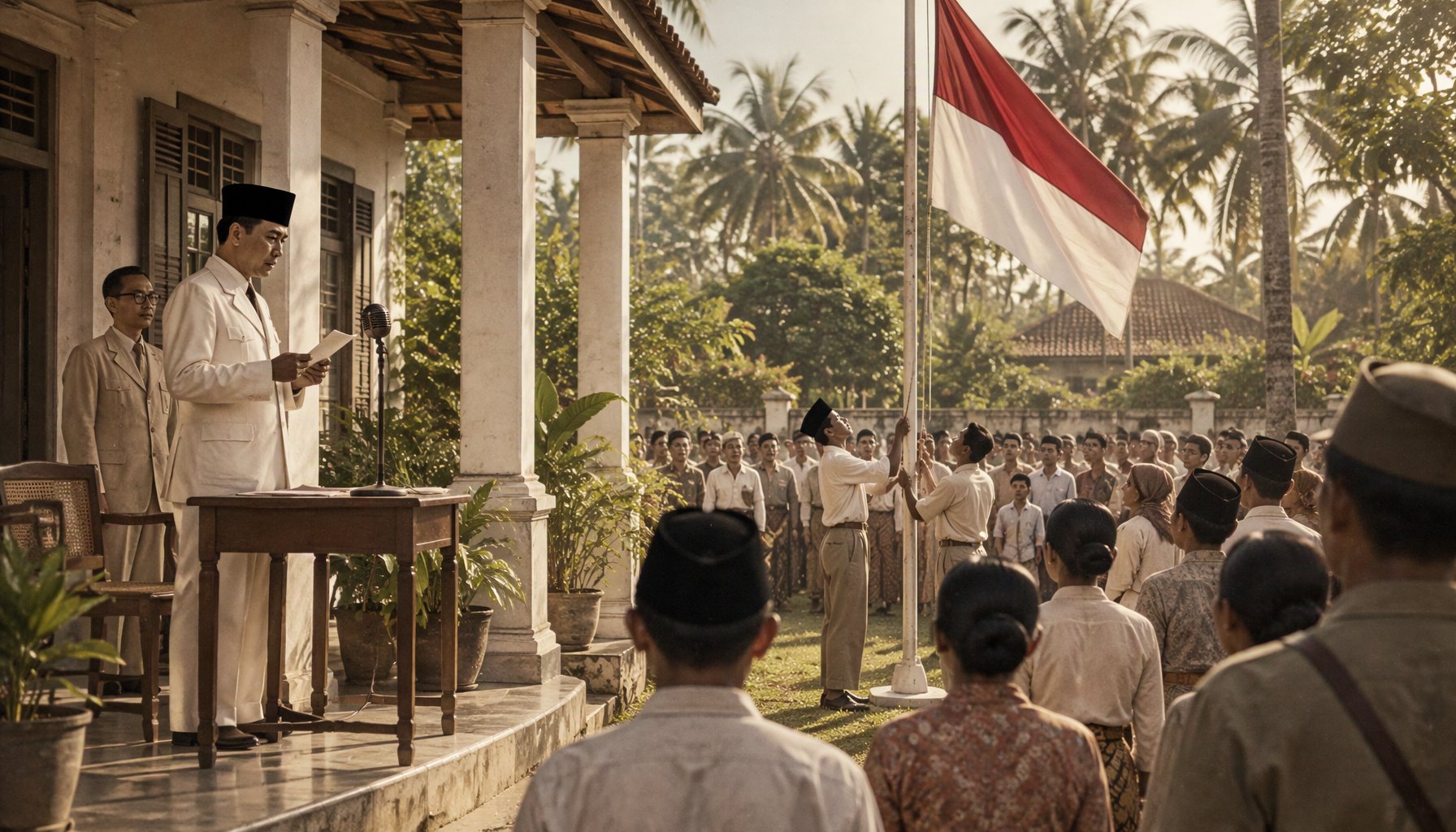
On the morning of August 17, 1945, around 10:00 AM, Soekarno read the proclamation text in the courtyard of his house at Jalan Pegangsaan Timur 56, Jakarta. The event was attended by several figures, youth, and residents. The Red and White Flag sewn by Fatmawati was hoisted, and the song Indonesia Raya was sung.
The proclamation text stated that Indonesia was independent, that the transfer of power was carried out carefully and in the shortest possible time, and that this independence was the right of all nations. The reading was brief, but its meaning was very significant for the history of Indonesia.
Spreading the News
The news of the proclamation was spread through the Domei news agency, radio, newspapers, and leaflets. The youth spread the text of the proclamation to various regions. In some places, the news was met with demonstrations and flag hoisting. However, in other areas, information arrived later due to communication limitations.
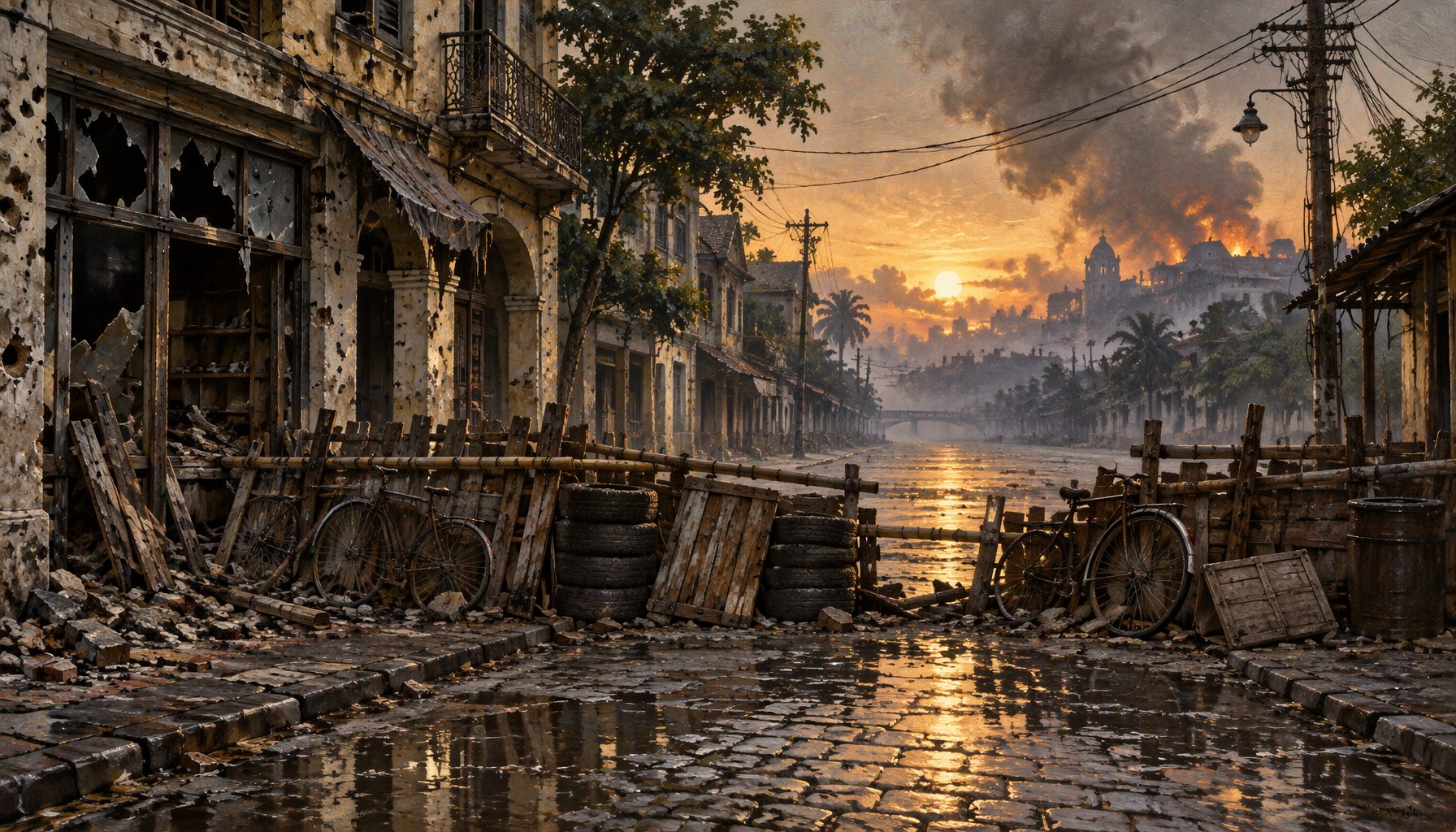
On August 18, 1945, the PPKI ratified the 1945 Constitution and elected Soekarno as president and Hatta as vice president. The proclamation was followed by diplomatic and military struggles to maintain independence from the Dutch who wanted to return to power.
Legacy
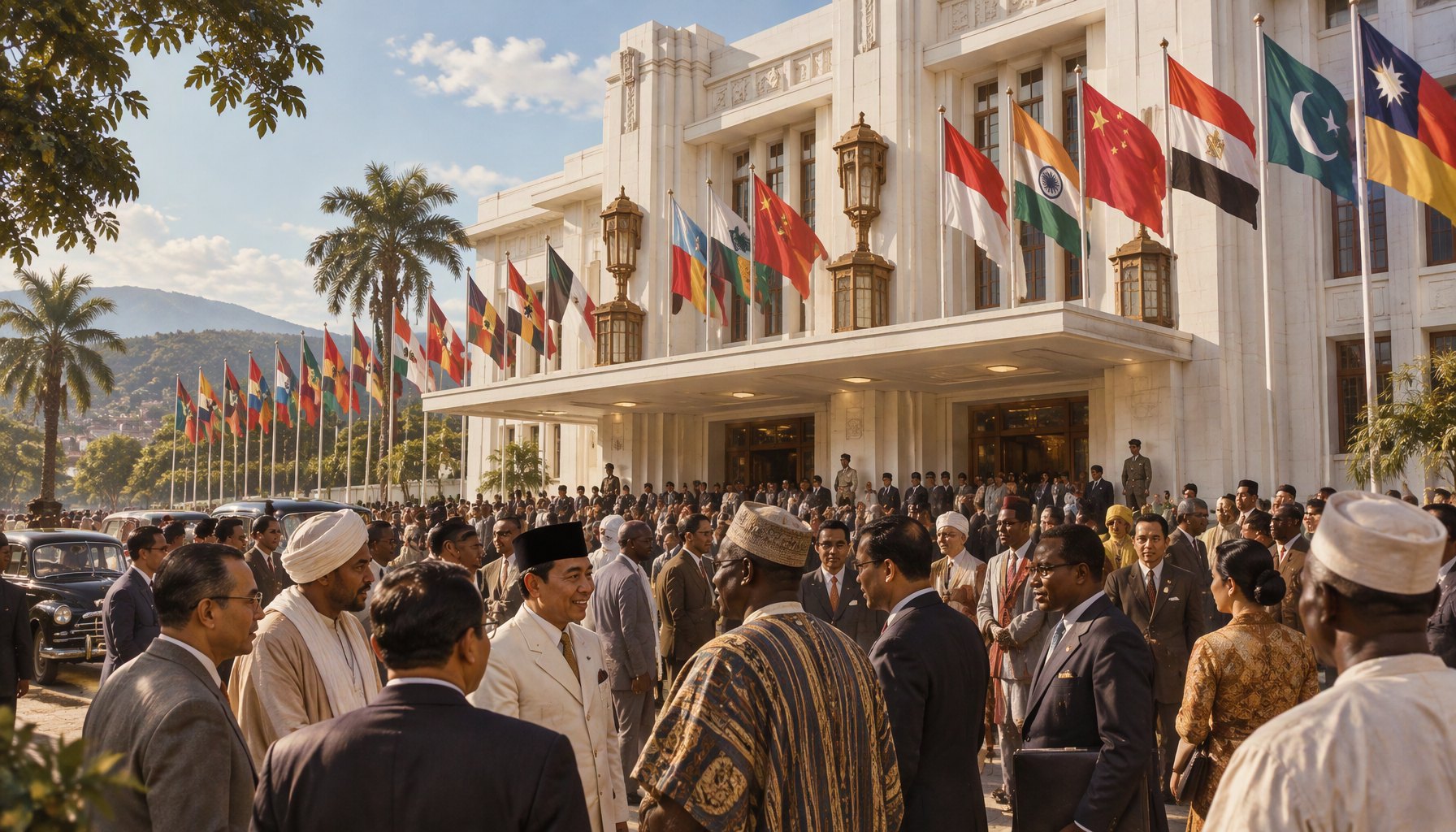
The proclamation of August 17, 1945, became the foundation for the establishment of the Indonesian state. Every year, this day is commemorated as Independence Day with ceremonies, competitions, and cultural activities. The text of the proclamation is read again as a reminder of the struggle and sacrifice of previous generations.
However, the history of the proclamation also contains lessons about the importance of unity, dialogue, and the courage to make decisions. Independence did not come easily but was the result of a long struggle, debate, and cooperation among various groups. To this day, this spirit has become part of the identity of the Indonesian nation.
Discussion
Comments
Comments are reviewed by an editor before they appear. Include sources when correcting facts.
No comments yet. Be the first to respond to this article.