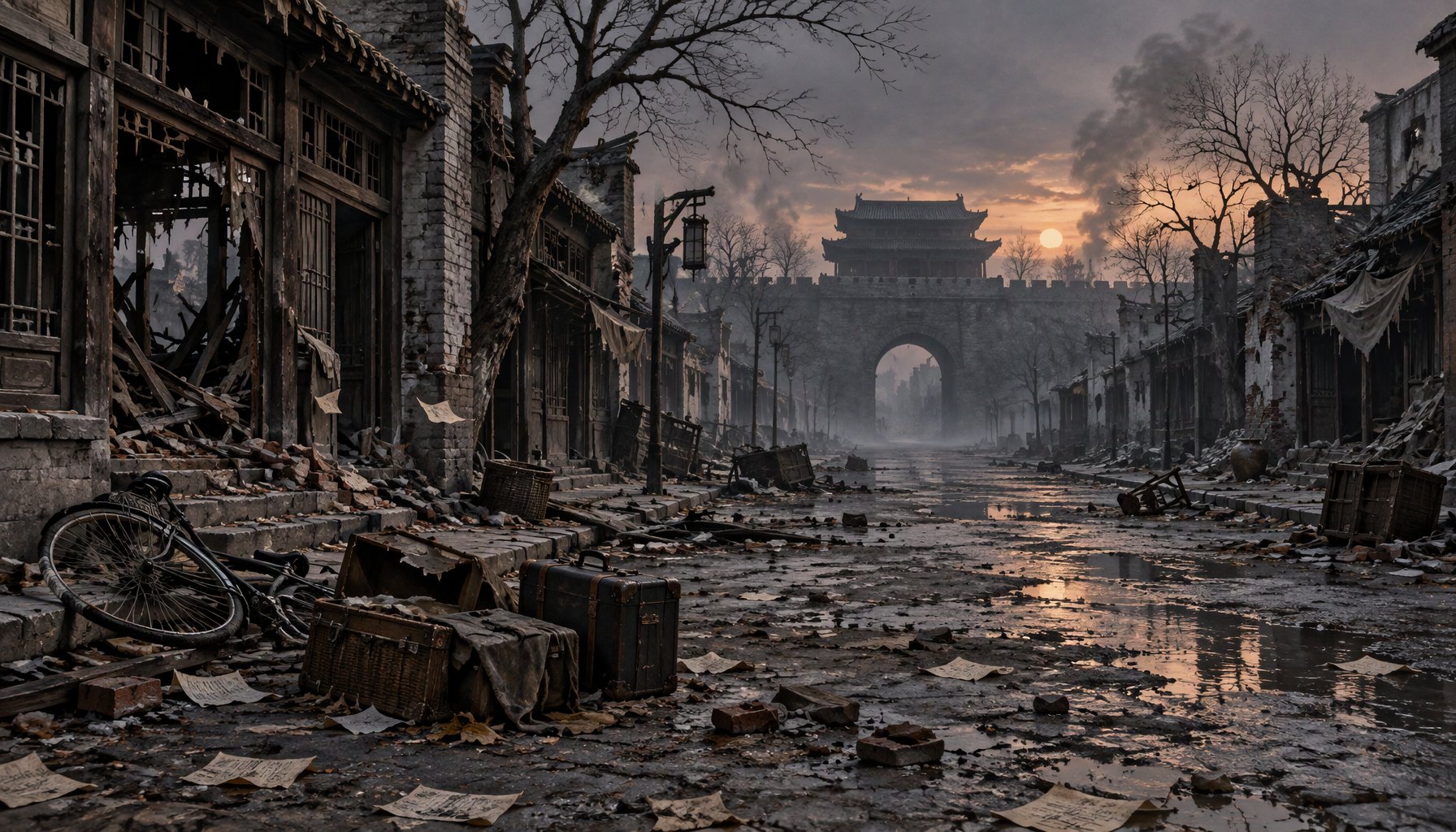
The Fall of Shanghai
The Second Sino-Japanese War broke out in July 1937. The Battle of Shanghai lasted for months and became one of the bloodiest battles in the early stages of the war. After Shanghai fell in November 1937, Japanese forces moved towards Nanking, then the capital of the Republic of China.
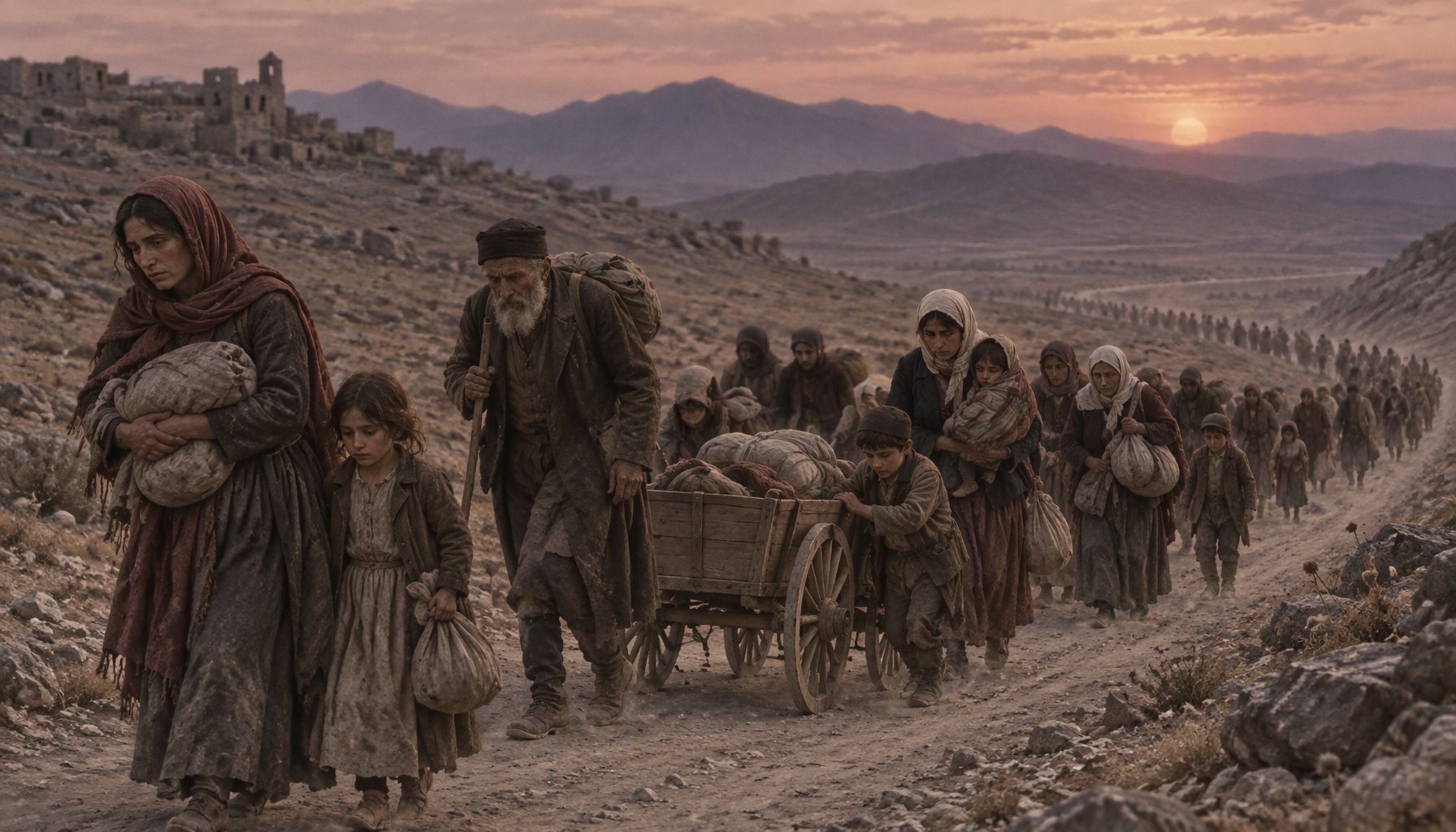
The Chinese government relocated the administrative center to Chongqing, while some residents and soldiers retreated. Thousands of civilians remained, many of whom were poor and had no means to leave. The city was filled with refugees from surrounding areas seeking shelter.
The Arrival of the Japanese Army
Japanese forces entered Nanking on December 13, 1937. The Japanese command faced disorganized resistance and Chinese soldiers who surrendered or fled. Amid the chaos, many Japanese officers lost control of their troops, and violence against civilians and prisoners of war began.
For about six weeks, the Japanese army carried out mass killings, rapes, looting, and arson. Prisoners of war were executed along the banks of the Yangtze River and at other locations. Civilians were killed in the streets, in their homes, and in refugee camps. Sexual violence against women and girls occurred on a massive scale.
The International Safety Zone
A number of foreigners living in Nanking formed the International Safety Zone, a neutral area designated as a refuge. John Rabe, a German businessman and member of the Nazi Party, led the committee. He documented the events he witnessed in his diary and sent protests to the Japanese authorities and the German embassy.
Minnie Vautrin, an American missionary who managed Ginling College, saved many women and children on the campus. The testimonies of Rabe, Vautrin, and other foreigners became important sources as they witnessed and recorded the events as they happened.
Casualty Figures and Debate
There is no universally agreed-upon casualty figure. The International Military Tribunal for the Far East in Tokyo concluded that more than 200,000 civilians and prisoners of war were killed in the first few weeks of the occupation. The Chinese government uses the figure of 300,000, which forms the basis of the official commemoration in Nanking.
Some Japanese scholars estimate a much lower figure, while other researchers cite tens of thousands to over 100,000. These differences are influenced by the scope of the area considered, the definition of victims, and the scarcity of administrative records during the war. What is not disputed by the mainstream academic community is that mass killings and sexual violence did occur on a large scale.
Post-War Trials
After Japan's surrender in 1945, the International Military Tribunal for the Far East tried several Japanese leaders for war crimes. General Iwane Matsui, the commander of the forces that entered Nanking, was sentenced to hanging. However, many direct perpetrators were never tried, and some returned to civilian life.
The Nanking Trials conducted by China in 1946–1947 also tried several Japanese officers. Testimonies from victims and eyewitnesses were recorded during these proceedings. These documents later became important materials for historical research and education about the events.
Memory and Controversy
In China, Nanking has become a symbol of national suffering and a center for historical education. The Memorial Hall of the Victims in Nanking Massacre by Japanese Invaders opened in 1985 and receives millions of visitors each year. Every December 13, China observes the National Memorial Day for the victims.
In Japan, the event remains a topic of debate. Some politicians and revisionist groups have attempted to downplay or deny the scale of the violence, while mainstream scholars and some Japanese officials acknowledge that a massacre occurred. The dispute over historical memory continues to affect Sino-Japanese relations to this day.
Lessons from Nanking
Nanking demonstrates how violence can escalate when military command is lost and when civilians are considered part of the enemy. The testimonies of people like Rabe and Vautrin show that individuals can choose to protect others even in the most dangerous situations.
For the world, Nanking has become part of the history of 20th-century war crimes that must be remembered to prevent recurrence. Debates about the numbers should not obscure the fact that hundreds of thousands of people lost their lives and dignity in a well-documented event.
Discussion
Comments
Comments are reviewed by an editor before they appear. Include sources when correcting facts.
No comments yet. Be the first to respond to this article.