An Unrecognized Painting
At the beginning of the 20th century, the Mona Lisa by Leonardo da Vinci was not yet the most famous painting in the world. The painting was displayed in the Louvre, but it was not as prominent as other great works in the museum. Visitors could see it without long queues, and its reputation mainly came from art experts.
The Louvre at that time had lax security by modern standards. There were a limited number of guards, the alarm system was not advanced, and many museum rooms were not well monitored. This condition provided an opportunity for anyone with access and the courage to take a piece of art without being noticed.
Vincenzo Peruggia
Vincenzo Peruggia was an Italian glassworker who had previously worked at the Louvre. He was involved in installing glass protective boxes for several paintings, including the Mona Lisa. His knowledge of the museum's layout and the guards' habits gave him an advantage when he planned the theft.
Peruggia later stated that his motive was to return the painting to Italy, as he believed Leonardo da Vinci and his works should be in their homeland. However, investigations also showed that he hoped to make money from selling the painting.
August 21, 1911
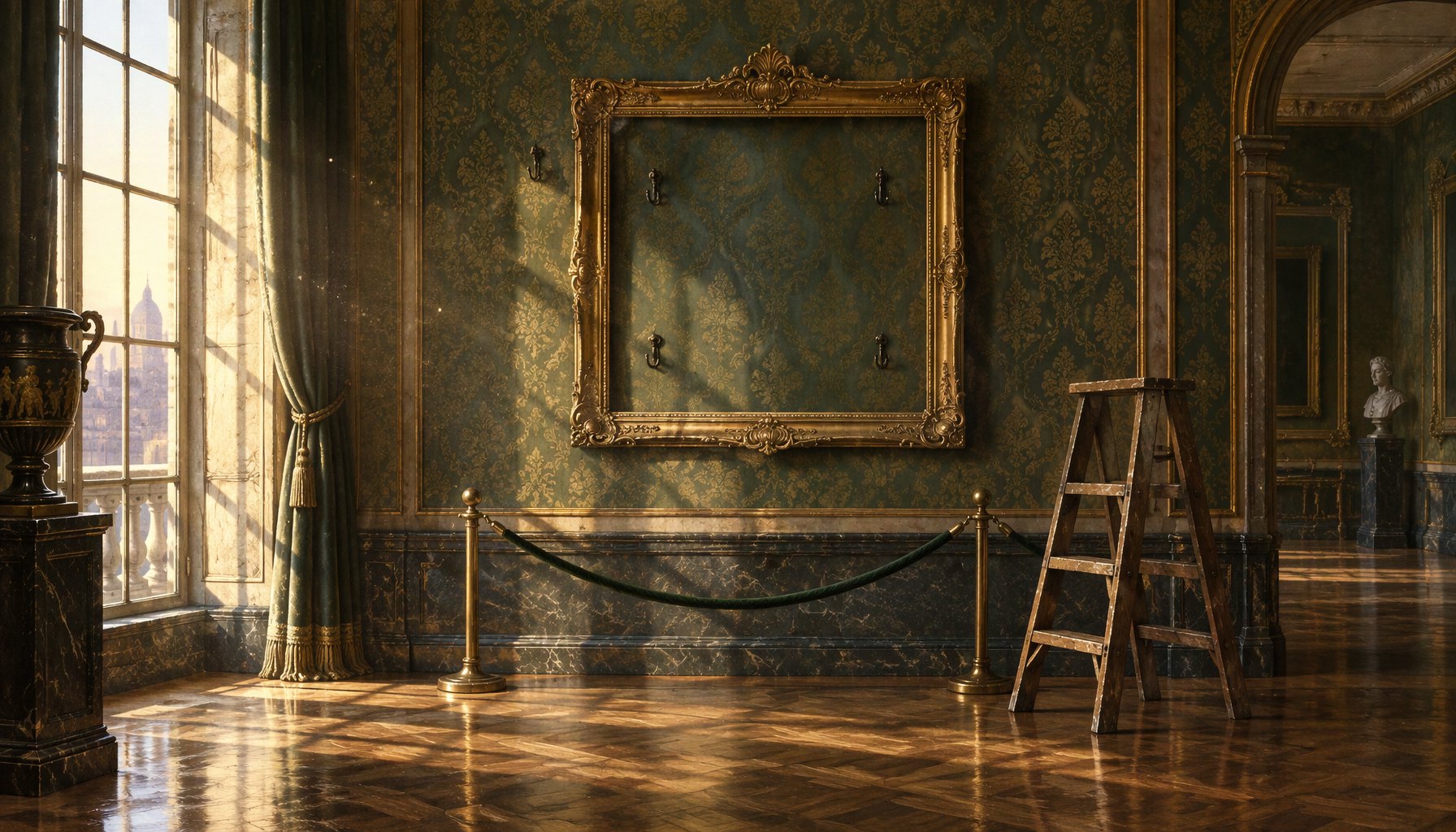
On Monday, August 21, 1911, the Louvre was closed to the public. Peruggia entered the museum in his work clothes and took the painting off the wall. He removed the wooden panel from the frame, hid it under his jacket, and walked out without being stopped. The theft was only noticed the next day when the artist Louis Béroud came to paint and found the painting's space empty.
The museum was immediately closed for a week for investigation. The police checked thousands of people, including employees and artists. Early investigation mistakes led the public and the press to suspect that the painting had been taken out of the country or even destroyed.
Two Years Missing
For more than two years, the Mona Lisa was missing without a trace. Peruggia stored the painting in his apartment in Paris, then took it to Italy. He contacted an art dealer in Florence, Alfredo Geri, and offered the painting with the excuse that he wanted to return it to Italy.
Geri became suspicious and contacted Giovanni Poggi, the director of the Uffizi Gallery. Poggi verified the authenticity of the painting and informed the authorities. On December 11, 1913, Peruggia was arrested in Florence. The painting was briefly displayed in Italy before being returned to the Louvre in 1914.
Trial and Sentence
Peruggia was tried in Florence in 1914. He was found guilty and sentenced to seven months in prison, but because he had already been detained during the legal process, he was released after the sentence was considered served. The court accepted part of his patriotic narrative, which made the punishment relatively light.
However, many art historians believe Peruggia's motives were more personal and financial than political. He had previously tried to sell the painting, and his testimony changed during the investigation. Nevertheless, the story of an Italian who “saved” Leonardo's work from France remained popular in Italy for some time.
The Birth of a Global Icon
The theft changed everything for the Mona Lisa. News of the missing painting became an international media sensation, and the face of the woman in the painting appeared in newspapers around the world. When the painting was found, the public flocked to see it. The Mona Lisa transformed from an important work into a popular culture icon.
This fame has lasted until today. The Louvre now places the Mona Lisa in a special room with tight security, and millions of people come every year to see it. Ironically, the theft that almost erased the painting made it eternal in the world's imagination.
Lessons about Museum Security
This case forced major museums in Europe to review their security systems. The Louvre tightened supervision, increased the number of guards, and developed procedures for high-value artworks. The theft of the Mona Lisa became a turning point in how museums protect their collections.
Peruggia's story also serves as a reminder that works of art are not only valuable economically but also have symbolic meanings that can be exploited for personal or political purposes. To this day, the theft of the Mona Lisa remains one of the most famous art crime stories in history.

Discussion
Comments
Comments are reviewed by an editor before they appear. Include sources when correcting facts.
No comments yet. Be the first to respond to this article.